- Published on
Pathology - Acute Hepatitis
Pathophysiology
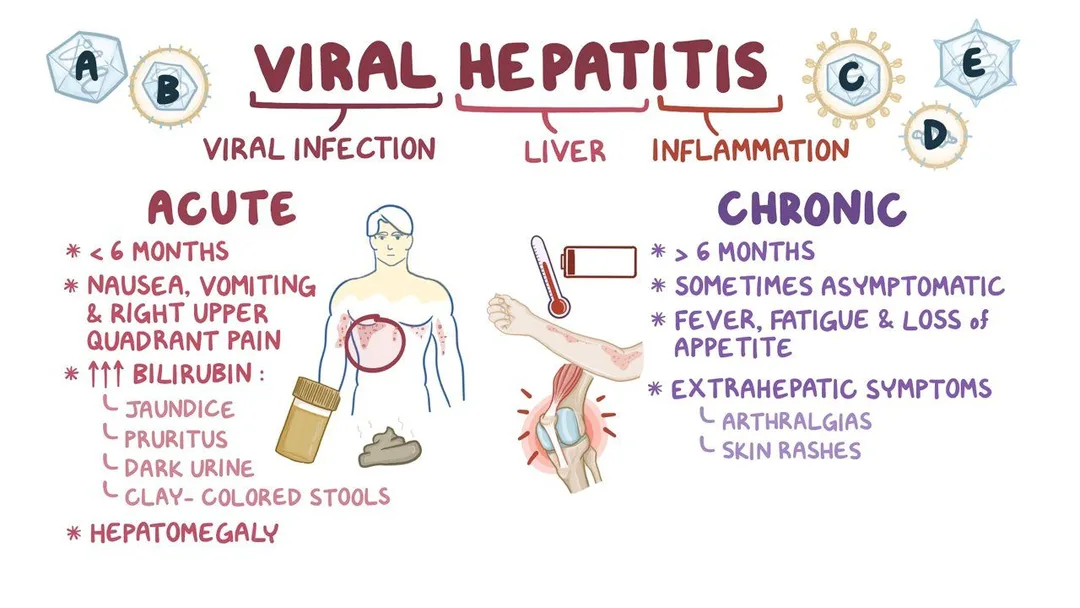
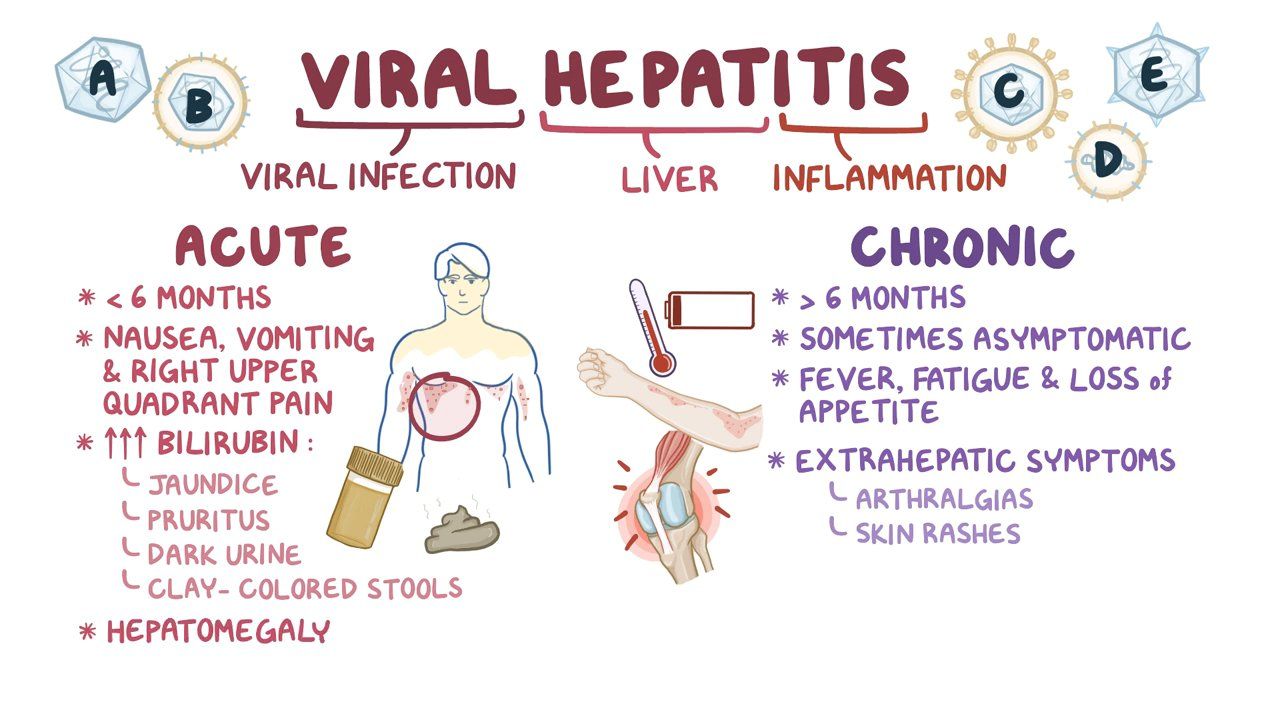
Acute bacterial or viral infections as well as drug or toxin intake are potential causes of this illness. The patient's elevated bilirubin level, which is the outcome of acute hepatocyte injury and malfunction, is consistent with the physical signs of icterus. Palpable excruciating tenderness against the liver capsule is the outcome of hepatic enlargement.
When splenomegaly is absent, portal congestion is also absent.
Laboratory investigations reveal aberrant hepatocyte function (higher AST/ALT) in the absence of biliary blockage (very slightly raised alkaline phosphatase). Normal levels of prothrombin and albumin show that the liver's synthetic processes are unhampered. An acute infection is further supported by an elevated leukocyte count.
Pathophysiology
Acute bacterial or viral infections as well as drug or toxin intake are potential causes of this illness. The patient's elevated bilirubin level, which is the outcome of acute hepatocyte injury and malfunction, is consistent with the physical signs of icterus. Palpable excruciating tenderness against the liver capsule is the outcome of hepatic enlargement.
When splenomegaly is absent, portal congestion is also absent.
Laboratory investigations reveal aberrant hepatocyte function (higher AST/ALT) in the absence of biliary blockage (very slightly raised alkaline phosphatase). Normal levels of prothrombin and albumin show that the liver's synthetic processes are unhampered. An acute infection is further supported by an elevated leukocyte count.
0 Comments
