- Published on
Pathology - Albinism and Vitiligo
Albinism : Melanocytes are produced from neural crest ectoderm, hence albinism may be associated to faulty neural crest cell migration. Tyrosinase deficiency or a lack of tyrosine uptake into the melanocyte are the two main causes of this inherited inability of melanocytes to synthesize melanin.
Vitiligo: Acquired loss of melanocytes; linked to autoimmune illnesses (Addison's disease, Hashimoto thyroiditis, Grave disease, pernicious anemia); potentially brought on by an autoimmune response or by toxic intermediates of melanocyte formation.
Albinism: May affect the skin and hair (oculocutaneous albinism) or the eyes (ocular albinism); skjn_ contains melanocytes.
Albinism: Hypopigmentation affecting the eyes, skin, and hair; may result in blindness. Vitiligo: Lack of melanocytes in skin.
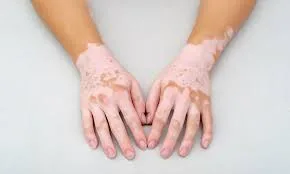
Vitiligo: Irregular, flat patches of skin loss that typically affect the hands, axillae, or the area surrounding the mouth and eyes. Variable presence of antibodies against antimelanocytes in the lab.
Albinism: Sunscreen is required; there is no known treatment.
Sun protection and topical corticosteroids for vitiligo.
Patients who have vitiligo or albinism are more likely to develop actinic keratoses and skin malignancies.
Albinism : Melanocytes are produced from neural crest ectoderm, hence albinism may be associated to faulty neural crest cell migration. Tyrosinase deficiency or a lack of tyrosine uptake into the melanocyte are the two main causes of this inherited inability of melanocytes to synthesize melanin.
Vitiligo: Acquired loss of melanocytes; linked to autoimmune illnesses (Addison's disease, Hashimoto thyroiditis, Grave disease, pernicious anemia); potentially brought on by an autoimmune response or by toxic intermediates of melanocyte formation.
Albinism: May affect the skin and hair (oculocutaneous albinism) or the eyes (ocular albinism); skjn_ contains melanocytes.
Albinism: Hypopigmentation affecting the eyes, skin, and hair; may result in blindness. Vitiligo: Lack of melanocytes in skin.
Vitiligo: Irregular, flat patches of skin loss that typically affect the hands, axillae, or the area surrounding the mouth and eyes. Variable presence of antibodies against antimelanocytes in the lab.
Albinism: Sunscreen is required; there is no known treatment.
Sun protection and topical corticosteroids for vitiligo.
Patients who have vitiligo or albinism are more likely to develop actinic keratoses and skin malignancies.

0 Comments
