- Published on
Pathology - Allergic Contact Dermatitis
Type IV hypersensitivity reaction following previous interaction with an allergen substance (such as poison ivy, nickel, latex, or UV radiation) can cause dermatitis.
may exhibit a variety of skin histopathologic characteristics based on the illness's stage.
Acute stage: Vesicles; perivascular lymphocytic infiltration in epidermis; eosinophils when medication reaction is the cause; edema fluid within epidermis (spongiosis).
Subacute stage: Acute and chronic characteristics combined.
Chronic stage: lymphocytic infiltration in dermis; epidermis thickening with hyper- and parakeratosis.
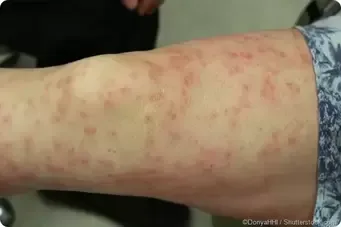
After being exposed to the allergen for a few days, an acute case may show up as red, wet, itchy, and crusty papules and vesicles.
If left untreated, it can lead to thicker, elevated, and poorly defined plaques that scale.
Topical corticosteroids for treatment; removing the aggravating factors.
Type IV hypersensitivity reaction following previous interaction with an allergen substance (such as poison ivy, nickel, latex, or UV radiation) can cause dermatitis.
may exhibit a variety of skin histopathologic characteristics based on the illness's stage.
Acute stage: Vesicles; perivascular lymphocytic infiltration in epidermis; eosinophils when medication reaction is the cause; edema fluid within epidermis (spongiosis).
Subacute stage: Acute and chronic characteristics combined.
Chronic stage: lymphocytic infiltration in dermis; epidermis thickening with hyper- and parakeratosis.
After being exposed to the allergen for a few days, an acute case may show up as red, wet, itchy, and crusty papules and vesicles.
If left untreated, it can lead to thicker, elevated, and poorly defined plaques that scale.
Topical corticosteroids for treatment; removing the aggravating factors.
0 Comments
