- Published on
Pathology - Atypical Pneumonia
Pathophysiology
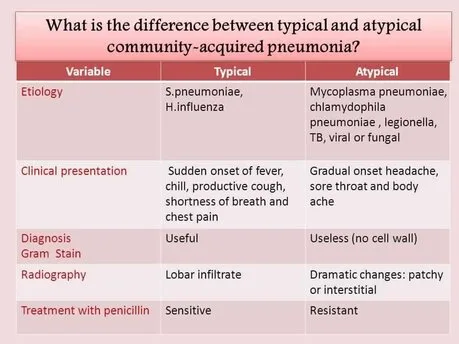
Mycoplasma pneumoniae is the most frequent cause of this kind of pneumonia; other "atypical" pathogenic agents include Legionella pneumophila and Chlamydia pneumoniae.
Because individuals with walking pneumonia typically look better than those with lobar pneumonia, which is usually caused by Streptococcus pneumoniae, the phrase "walking pneumonia" is used to describe the illness. Atypical pneumonia cases are more likely to present with nonspecific or "flu-like" symptoms, which might last for several weeks.
Muscle aches, headaches, and coughs are typical.
M. pneumoniae organisms in the airways generate an adhesive protein that binds to receptors at the base of respiratory epithelial cells that are ciliated. The bacteria exploits these receptors to draw nutrients from the respiratory mucosa, which results in cilia failure, mucus buildup, and respiratory tract discomfort. This illness frequently presents with symptoms that are very similar to viral pneumonia (adenovirus, influenza virus). The primary distinction is that atypical pneumonia symptoms typically last until they are treated with the proper antibiotic therapy, whereas viral pneumonias typically heal on their own and don't require medical intervention.
Pathophysiology
Mycoplasma pneumoniae is the most frequent cause of this kind of pneumonia; other "atypical" pathogenic agents include Legionella pneumophila and Chlamydia pneumoniae.
Because individuals with walking pneumonia typically look better than those with lobar pneumonia, which is usually caused by Streptococcus pneumoniae, the phrase "walking pneumonia" is used to describe the illness. Atypical pneumonia cases are more likely to present with nonspecific or "flu-like" symptoms, which might last for several weeks.
Muscle aches, headaches, and coughs are typical.
M. pneumoniae organisms in the airways generate an adhesive protein that binds to receptors at the base of respiratory epithelial cells that are ciliated. The bacteria exploits these receptors to draw nutrients from the respiratory mucosa, which results in cilia failure, mucus buildup, and respiratory tract discomfort. This illness frequently presents with symptoms that are very similar to viral pneumonia (adenovirus, influenza virus). The primary distinction is that atypical pneumonia symptoms typically last until they are treated with the proper antibiotic therapy, whereas viral pneumonias typically heal on their own and don't require medical intervention.
0 Comments
