- Published on
Pathology - Churg - Strauss Vasculitis
Churg-Strauss Vasculitis is a medical condition characterized by inflammation of blood vessels. The exact cause of this condition is still unknown. However, it is believed that a certain type of immune system dysfunction has a role in the development of the disease.
It primarily impacts middle-aged males but can manifest in individuals of any age and gender.
Study of diseases and their effects on the body.
Gross Pathology: Impacts muscle arteries and veins of small to medium size, particularly in the lung, kidney, heart, spleen, nerves, skin, or gastrointestinal system.
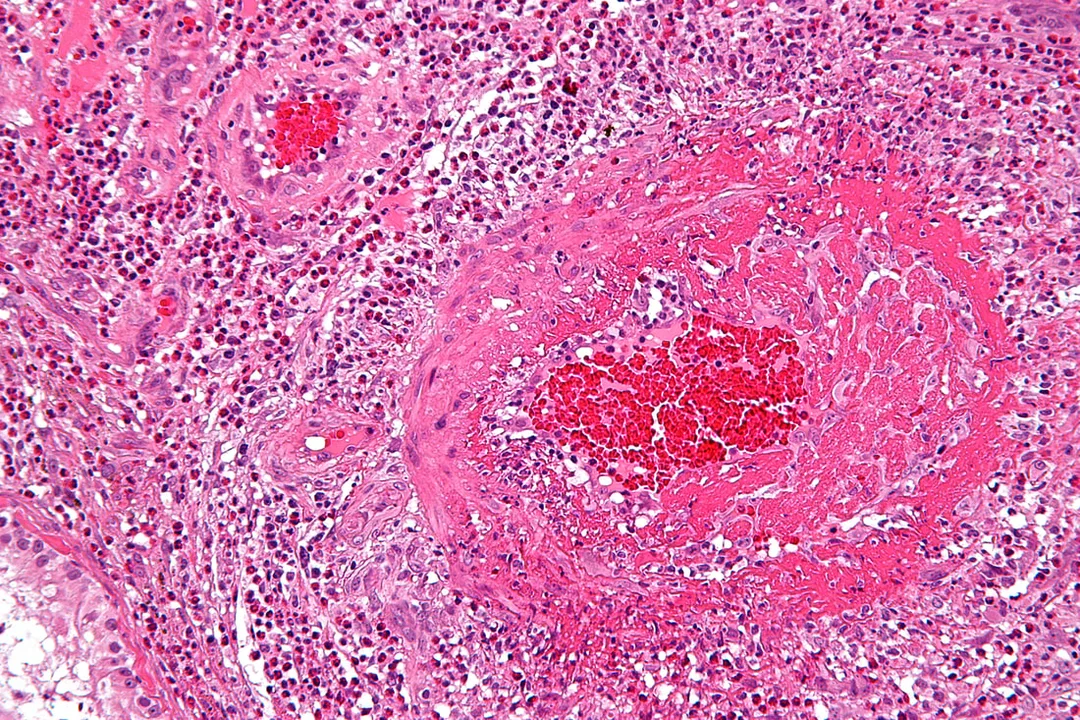
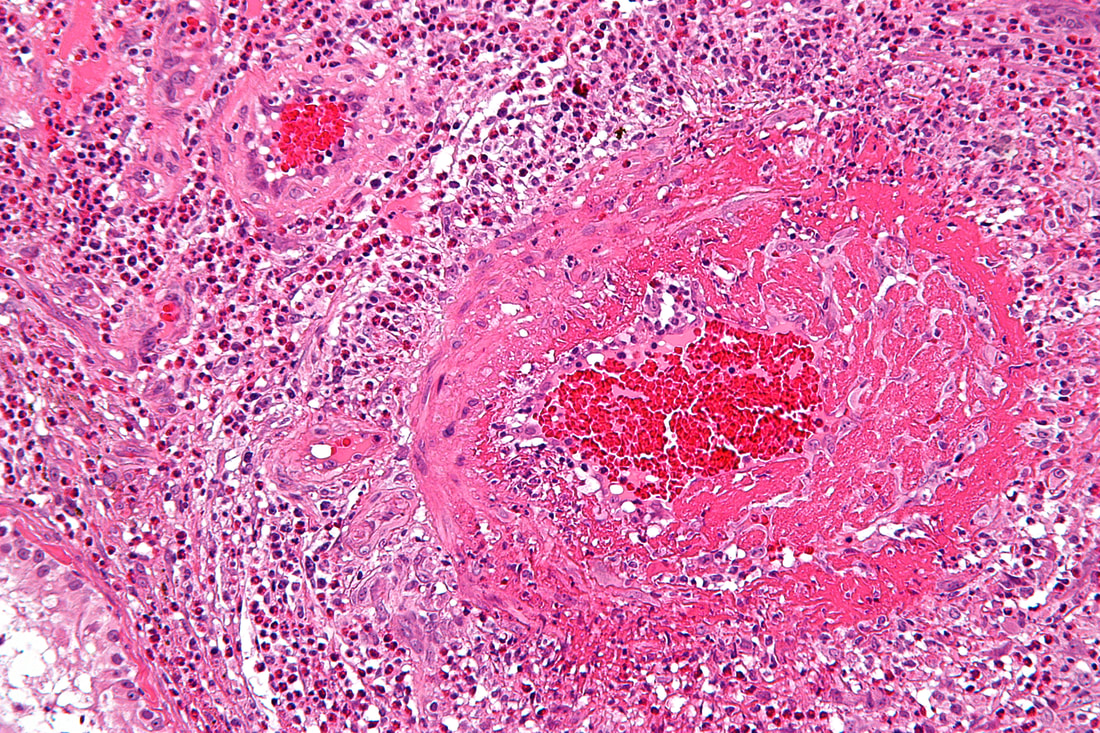
Microscopic Pathology: Arterial wall inflammation characterized by a preference for lymphocytic (and eosinophilic) infiltration in the outer layer, with the possible presence of fibrinoid necrosis.
Clinical manifestations
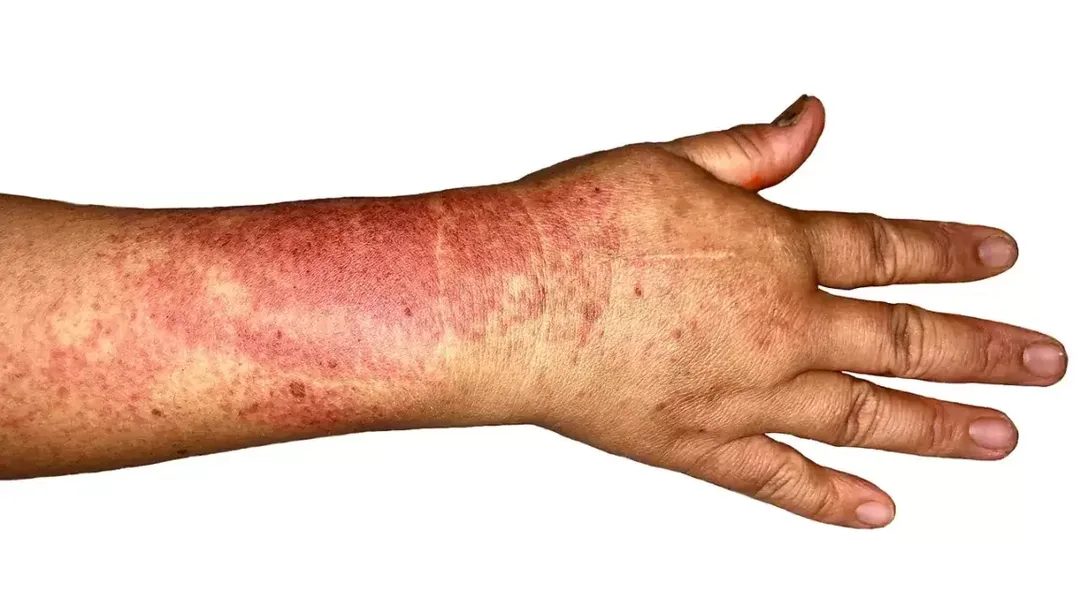
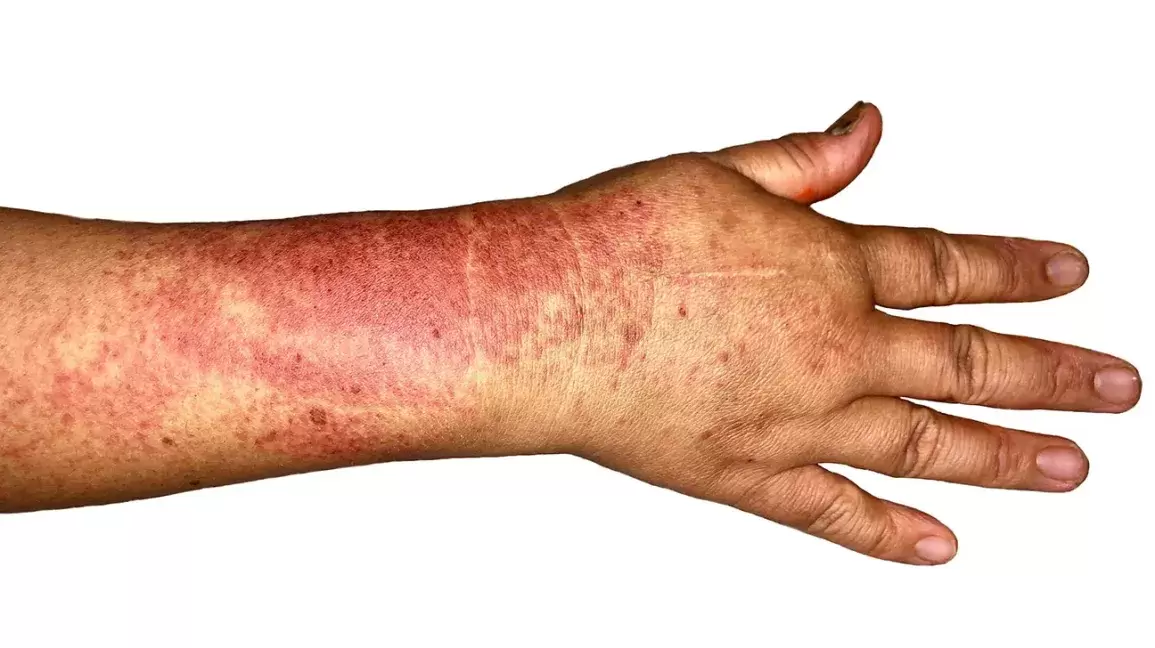
Late-onset asthma is typically characterized by classical symptoms. Sinusitis and rhinitis. The patient exhibits lung involvement characterized by the presence of pulmonary infiltrates, which manifest as a cough. Additionally, the patient also experiences polyneuropathy, specifically mononeuritis multiplex. Additionally, one may see the presence of purpura and arthralgias.
Laboratory results: Increased erythrocyte sedimentation rate (ESR), elevated levels of eosinophils, and p-ANCA positivity observed in 40% of patients.
Treatment: Administering high doses of corticosteroids, specifically cyclophosphamide.
Churg-Strauss Vasculitis is a medical condition characterized by inflammation of blood vessels. The exact cause of this condition is still unknown. However, it is believed that a certain type of immune system dysfunction has a role in the development of the disease.
It primarily impacts middle-aged males but can manifest in individuals of any age and gender.
Study of diseases and their effects on the body.
Gross Pathology: Impacts muscle arteries and veins of small to medium size, particularly in the lung, kidney, heart, spleen, nerves, skin, or gastrointestinal system.
Microscopic Pathology: Arterial wall inflammation characterized by a preference for lymphocytic (and eosinophilic) infiltration in the outer layer, with the possible presence of fibrinoid necrosis.
Clinical manifestations
Late-onset asthma is typically characterized by classical symptoms. Sinusitis and rhinitis. The patient exhibits lung involvement characterized by the presence of pulmonary infiltrates, which manifest as a cough. Additionally, the patient also experiences polyneuropathy, specifically mononeuritis multiplex. Additionally, one may see the presence of purpura and arthralgias.
Laboratory results: Increased erythrocyte sedimentation rate (ESR), elevated levels of eosinophils, and p-ANCA positivity observed in 40% of patients.
Treatment: Administering high doses of corticosteroids, specifically cyclophosphamide.
0 Comments
