- Published on
Pathology - Hashimoto's disease
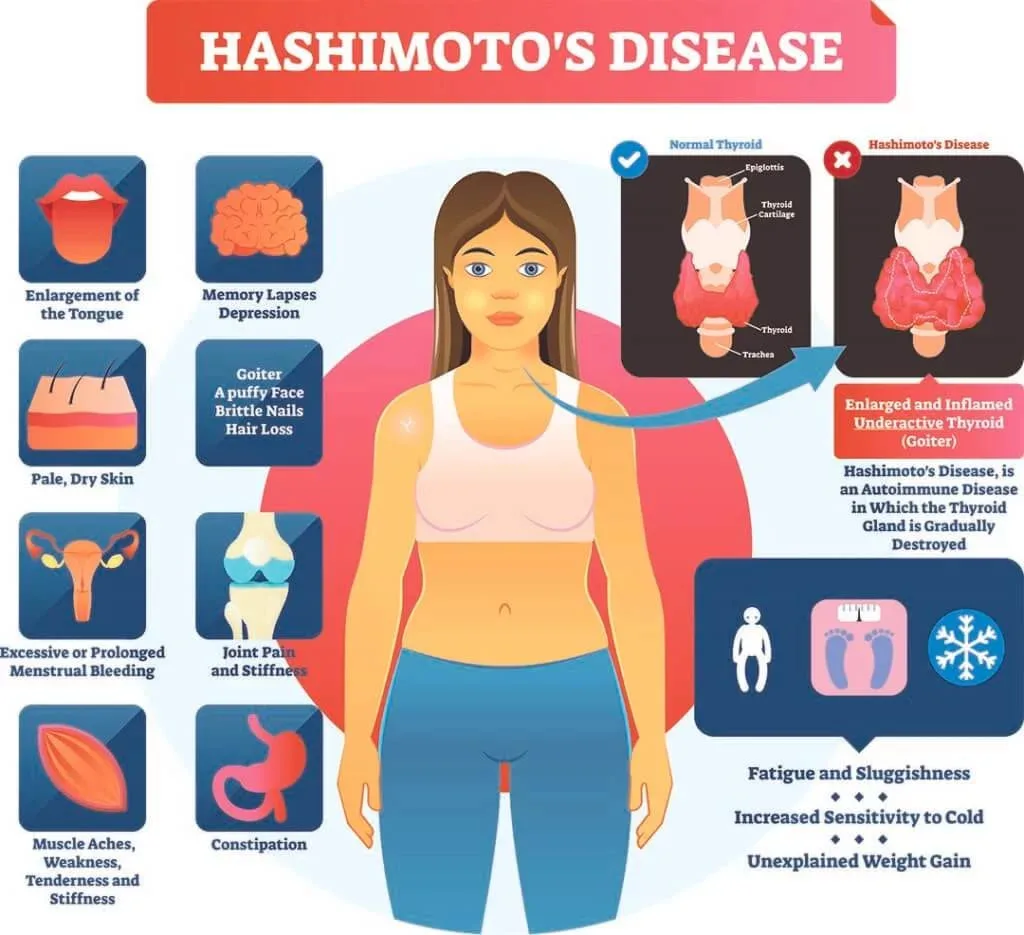
Lack of active thyroid hormones (T3 and T4) can lead to a variety of problems, such as a slowed metabolic rate, which is often associated with weariness, weight gain, and a cold sensitivity.
Bradycardia results from a drop in beta-adrenergic tone, which is dependent on thyroid hormones for proper beta-adrenergic system function. Additionally, isolated alpha-adrenergic vasoconstriction without concurrent beta-adrenergic receptor activation commonly results in diastolic hypertension. Hyponatremia and fluid retention are caused by renal failure. A thyroid hormone deficit impairs the neurological system's ability to function, resulting in diminished reflexes and mentation. Due to a buildup of mucopolysaccharides in interstitial tissues, this patient has myxedema from persistent hypothyroidism, which exacerbates peripheral edema and gives the skin a swollen appearance. The absence of negative feedback from active thyroid hormone leads to elevated TSH levels, which suggests primary hypothyroidism in the patient. Excess TSH leads to the thyroid gland's enlargement and the development of goiters as a result. This patient has been diagnosed with Hashimoto's thyroiditis, an autoimmune disease that is the most frequent cause of hypothyroidism in the United States, based on antibody titers. Iodine shortage in the diet and gland destruction from radiation, surgery, or chemotherapy are two more reasons of hypothyroidism. In rare cases, hypothalamic/pituitary stimulation deficiency causes hypothyroidism; in these cases, goiter is absent and TSH levels are low.
Lack of active thyroid hormones (T3 and T4) can lead to a variety of problems, such as a slowed metabolic rate, which is often associated with weariness, weight gain, and a cold sensitivity.
Bradycardia results from a drop in beta-adrenergic tone, which is dependent on thyroid hormones for proper beta-adrenergic system function. Additionally, isolated alpha-adrenergic vasoconstriction without concurrent beta-adrenergic receptor activation commonly results in diastolic hypertension. Hyponatremia and fluid retention are caused by renal failure. A thyroid hormone deficit impairs the neurological system's ability to function, resulting in diminished reflexes and mentation. Due to a buildup of mucopolysaccharides in interstitial tissues, this patient has myxedema from persistent hypothyroidism, which exacerbates peripheral edema and gives the skin a swollen appearance. The absence of negative feedback from active thyroid hormone leads to elevated TSH levels, which suggests primary hypothyroidism in the patient. Excess TSH leads to the thyroid gland's enlargement and the development of goiters as a result. This patient has been diagnosed with Hashimoto's thyroiditis, an autoimmune disease that is the most frequent cause of hypothyroidism in the United States, based on antibody titers. Iodine shortage in the diet and gland destruction from radiation, surgery, or chemotherapy are two more reasons of hypothyroidism. In rare cases, hypothalamic/pituitary stimulation deficiency causes hypothyroidism; in these cases, goiter is absent and TSH levels are low.
0 Comments
