- Published on
Pathology - Hemorrhagic Stroke
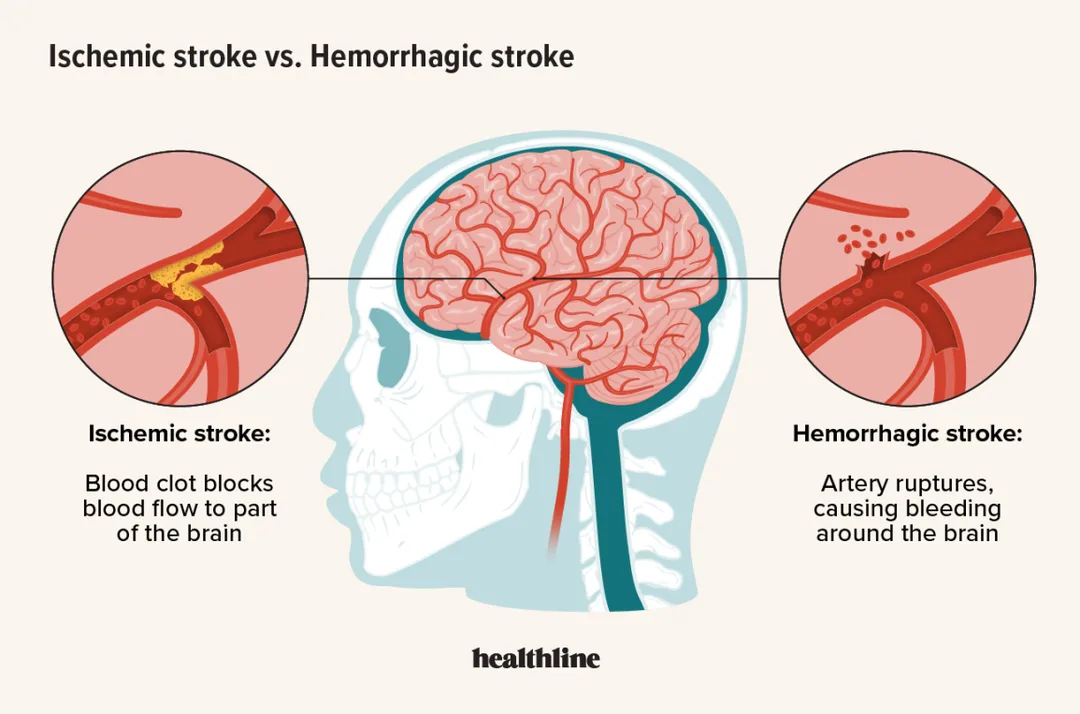
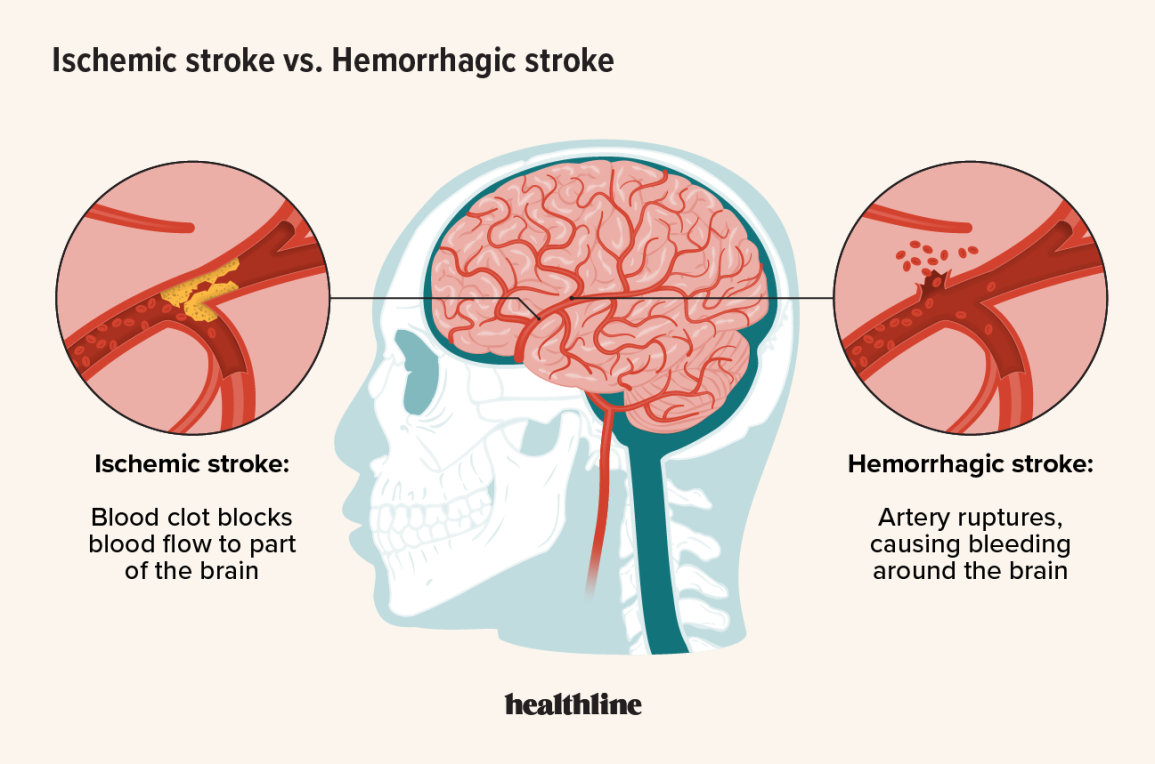
Primarily caused by hypertension, other factors may include bleeding disorders, anticoagulant medication use, arteriovenous malformations, brain tumors, or amyloid angiopathy.
Pathophysiology: Chronic hypertension is linked to Charcot-Bouchard microaneurysms, typically seen in the basal ganglia. The bursting of these aneurysms may directly lead to bleeding.
Brain hemorrhage typically occurs in the basal ganglia or thalamus, with a core patch of blood surrounded by swollen brain tissue leading to edema resolution. Reactive astrocytes and macrophages then form around the injury's edge, resulting in gliosis.
Clinical Symptoms and Signs
Symptoms include altered awareness, nausea, vomiting, headache, and neurological abnormalities such as weakness on one side of the body, sensory disturbances on one side, and vision field loss.
Therapy
Treat any blood clotting disorders; closely monitor blood pressure; consider surgical decompression for significant cerebral bleeding.
Primarily caused by hypertension, other factors may include bleeding disorders, anticoagulant medication use, arteriovenous malformations, brain tumors, or amyloid angiopathy.
Pathophysiology: Chronic hypertension is linked to Charcot-Bouchard microaneurysms, typically seen in the basal ganglia. The bursting of these aneurysms may directly lead to bleeding.
Brain hemorrhage typically occurs in the basal ganglia or thalamus, with a core patch of blood surrounded by swollen brain tissue leading to edema resolution. Reactive astrocytes and macrophages then form around the injury's edge, resulting in gliosis.
Clinical Symptoms and Signs
Symptoms include altered awareness, nausea, vomiting, headache, and neurological abnormalities such as weakness on one side of the body, sensory disturbances on one side, and vision field loss.
Therapy
Treat any blood clotting disorders; closely monitor blood pressure; consider surgical decompression for significant cerebral bleeding.
0 Comments
