- Published on
Pathology - Hyperlipidemia
Pathophysiology
A condition known as hyperlipidemia is characterized by abnormal blood lipid levels. The fat-soluble compounds found in serum are carried by lipoproteins, which are protein capsules. When animal products are eaten, these lipoproteins are swallowed. The liver also produces lipoproteins. A lipoprotein's density (e.g., HDL or LDL) is determined by its size. Its function in metabolism is dictated by the density and related apolipoproteins that are present in a particular molecule. One can classify aberrant blood lipid levels as primary (genetic) or secondary (resulting from a medical disease like diabetes or obesity). Other lipid compounds are transported from the blood to the liver by HDL.
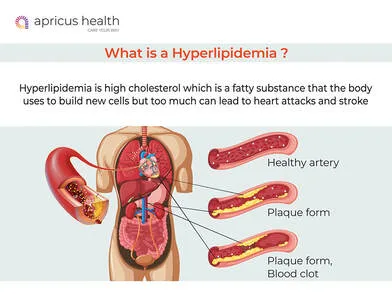
The coronary artery disease is prevented by these particles. Since LDL are atherogenic by nature, they stick to blood vessel walls and promote the development of endothelial plaques. Most persons should modify their increased LDL or decreased HDL to lower their risk of cardiovascular issues; this is typically accomplished with medicine (statins, HMG-CoA reductase inhibitors, lower cholesterol synthesis, and LDL levels, for example).
Pathophysiology
A condition known as hyperlipidemia is characterized by abnormal blood lipid levels. The fat-soluble compounds found in serum are carried by lipoproteins, which are protein capsules. When animal products are eaten, these lipoproteins are swallowed. The liver also produces lipoproteins. A lipoprotein's density (e.g., HDL or LDL) is determined by its size. Its function in metabolism is dictated by the density and related apolipoproteins that are present in a particular molecule. One can classify aberrant blood lipid levels as primary (genetic) or secondary (resulting from a medical disease like diabetes or obesity). Other lipid compounds are transported from the blood to the liver by HDL.
The coronary artery disease is prevented by these particles. Since LDL are atherogenic by nature, they stick to blood vessel walls and promote the development of endothelial plaques. Most persons should modify their increased LDL or decreased HDL to lower their risk of cardiovascular issues; this is typically accomplished with medicine (statins, HMG-CoA reductase inhibitors, lower cholesterol synthesis, and LDL levels, for example).
0 Comments
