- Published on
Pathology - Irritable Bowel Syndrome (IBS)
Pathophysiology
Among the top 10 reasons patients see a primary care physician is IBS, the most prevalent functional bowel illness.
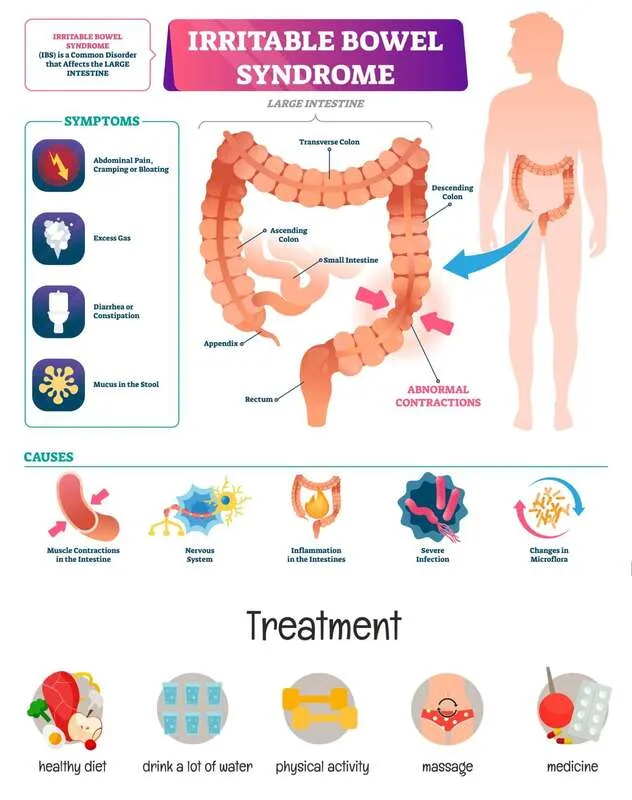
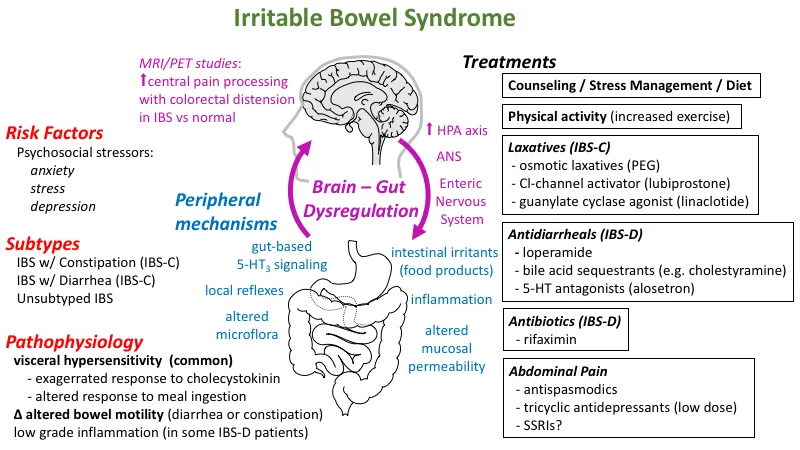
Women make about 70% of the patient population, and most receive their diagnosis between the ages of 20 and 40. IBS frequently coexists with psychological issues such anxiety disorders, depression, or a history of sexual or physical abuse. Normal motility is disrupted during pathogenesis at the level of the GI tract's neuroendocrine regulation. Additionally, there is visceral hypersensitivity that is CNS and peripherally mediated. The condition must meet two requirements in order to be diagnosed: the recurrent stomach pain must be chronic (lasting longer than three months) and its beginning must be linked to changes in the frequency or type of feces. There are various types of IBS, characterized by alternating episodes of diarrhea or constipation. It is necessary to rule out other common illnesses that share similar symptoms, such as lactose intolerance, inflammatory bowel disease (IBD), celiac disease, and bacterial overgrowth in the small intestine. The limited treatment options for IBS include high-fiber diets, psychotherapy, antidepressant therapy, and medicines to relieve constipation or diarrhea.
Pathophysiology
Among the top 10 reasons patients see a primary care physician is IBS, the most prevalent functional bowel illness.
Women make about 70% of the patient population, and most receive their diagnosis between the ages of 20 and 40. IBS frequently coexists with psychological issues such anxiety disorders, depression, or a history of sexual or physical abuse. Normal motility is disrupted during pathogenesis at the level of the GI tract's neuroendocrine regulation. Additionally, there is visceral hypersensitivity that is CNS and peripherally mediated. The condition must meet two requirements in order to be diagnosed: the recurrent stomach pain must be chronic (lasting longer than three months) and its beginning must be linked to changes in the frequency or type of feces. There are various types of IBS, characterized by alternating episodes of diarrhea or constipation. It is necessary to rule out other common illnesses that share similar symptoms, such as lactose intolerance, inflammatory bowel disease (IBD), celiac disease, and bacterial overgrowth in the small intestine. The limited treatment options for IBS include high-fiber diets, psychotherapy, antidepressant therapy, and medicines to relieve constipation or diarrhea.
0 Comments
