- Published on
Pathology - Langerhans Cell Histiocytosis
Caused by aberrant proliferation of dendritic tumor cells, which are in charge of presenting antigens to T and B cells and express HLA-DR and CD1a.
Pathology Gross: Lesions affect the skin, bones, lungs, and stomach, among other organ systems.
Under the microscope: eosinophils in lesions associated with eosinophilic granuloma; proliferation of neoplastic histiocytic cells resembling epidermal Langerhans cells; Birbeck granules, cytoplasmic aggregates shaped like tennis rackets, within neoplastic cells.
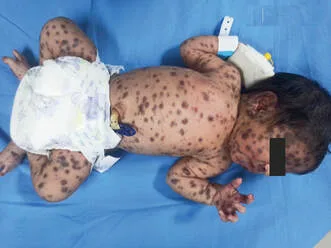
Skin involvement with a maculopapular erythematous rash, usually on the torso, scalp, or in the creases of the elbow or knee; endocrinologic abnormalities (including diabetes insipidus, hypothalamus deficiency, or delayed puberty); otitis media; involvement of the bones with lesions or fractures presenting in the skull or long bones; infiltrative pulmonary disease; lymphadenopathy; liver dysfunction.
Therapy: chemotherapy (cyclosporine, for example); bone marrow transplantation may be an option.
Caused by aberrant proliferation of dendritic tumor cells, which are in charge of presenting antigens to T and B cells and express HLA-DR and CD1a.
Pathology Gross: Lesions affect the skin, bones, lungs, and stomach, among other organ systems.
Under the microscope: eosinophils in lesions associated with eosinophilic granuloma; proliferation of neoplastic histiocytic cells resembling epidermal Langerhans cells; Birbeck granules, cytoplasmic aggregates shaped like tennis rackets, within neoplastic cells.
Skin involvement with a maculopapular erythematous rash, usually on the torso, scalp, or in the creases of the elbow or knee; endocrinologic abnormalities (including diabetes insipidus, hypothalamus deficiency, or delayed puberty); otitis media; involvement of the bones with lesions or fractures presenting in the skull or long bones; infiltrative pulmonary disease; lymphadenopathy; liver dysfunction.
Therapy: chemotherapy (cyclosporine, for example); bone marrow transplantation may be an option.
0 Comments
