- Published on
Pathology - Post Traumatic Stress Disorder
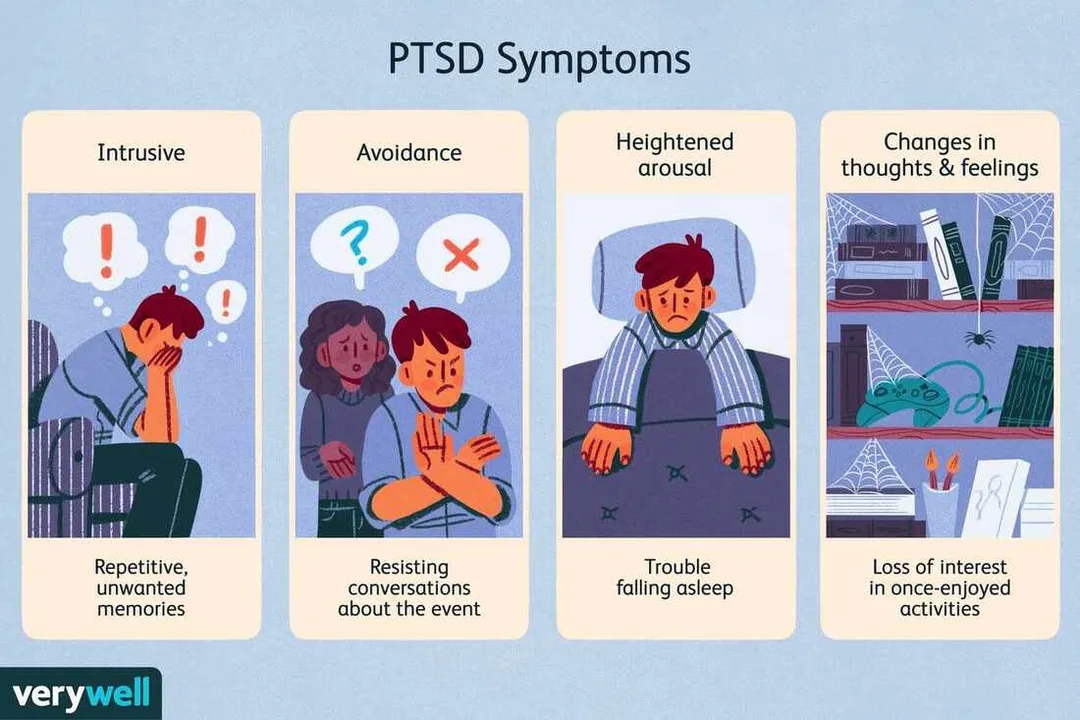
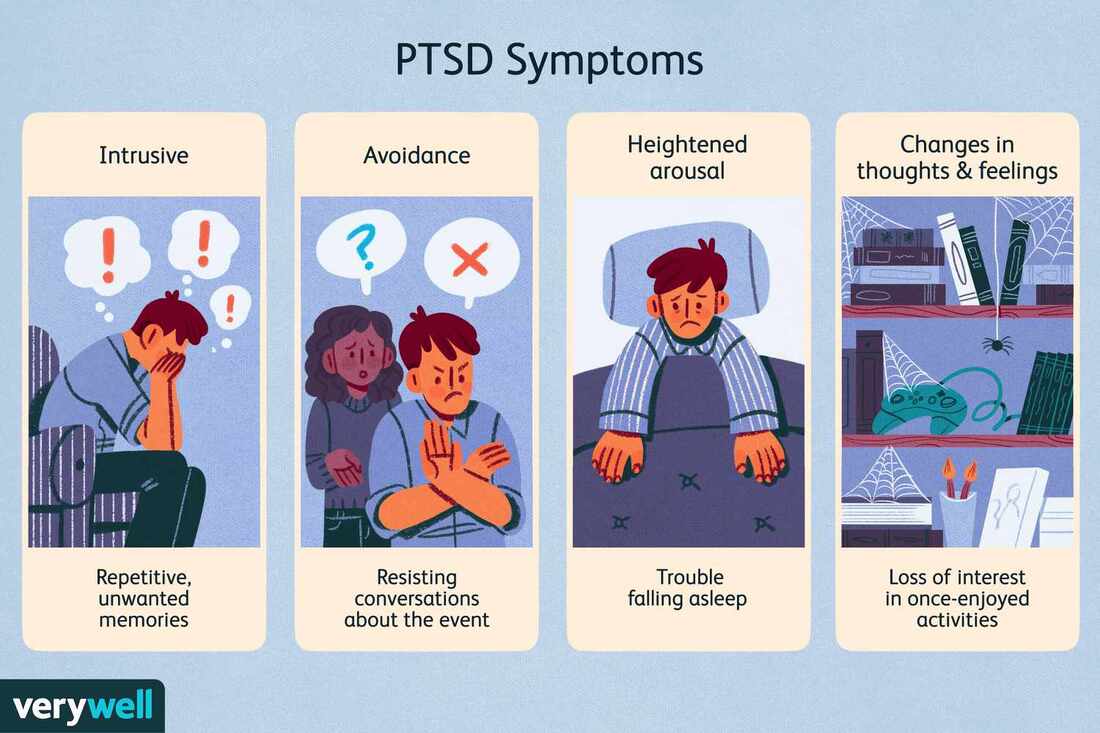
Exposure to a terrible event that the person repeatedly relives is what defines post-traumatic stress disorder (PTSD). This could manifest as persistent dreams, intrusive memories, flashbacks, or strong reactions to outside stimuli. Additionally, patients will be more aroused and will avoid stimuli related to the incident. The degree of PTSD disruption will result in impairment in social, professional, or other critical domains of functioning.
Furthermore, the condition must not be the result of a substance (such as an illicit drug or medicine), a physical condition, or a worsening of an axis I (psychiatric) or axis II (personality) illness that already exists. This is true for all other psychiatric diagnoses. Given that generalized anxiety disorder and PTSD might have similar symptoms, a thorough medical history is crucial. It's crucial to remember that a significant percentage of PTSD patients with a military past also struggle with concurrent substance abuse.
As a result, screening for drug and alcohol use is crucial, and BZDs are typically not advised in this population.
Exposure to a terrible event that the person repeatedly relives is what defines post-traumatic stress disorder (PTSD). This could manifest as persistent dreams, intrusive memories, flashbacks, or strong reactions to outside stimuli. Additionally, patients will be more aroused and will avoid stimuli related to the incident. The degree of PTSD disruption will result in impairment in social, professional, or other critical domains of functioning.
Furthermore, the condition must not be the result of a substance (such as an illicit drug or medicine), a physical condition, or a worsening of an axis I (psychiatric) or axis II (personality) illness that already exists. This is true for all other psychiatric diagnoses. Given that generalized anxiety disorder and PTSD might have similar symptoms, a thorough medical history is crucial. It's crucial to remember that a significant percentage of PTSD patients with a military past also struggle with concurrent substance abuse.
As a result, screening for drug and alcohol use is crucial, and BZDs are typically not advised in this population.
0 Comments
