- Published on
Pathology - Preeclampsia and Eclampsia
Risk factors include of underlying hypertension, diabetes, chronic renal illness, autoimmune disorders, or twin gestation.
Occurs in 5%-10% of pregnant women, typically in the third trimester of their first pregnancy.
Evidence of infarction, retroplacental hematomas, reduced vascularity, and fibrinoid necrosis observed in the placenta.
Pathophysiology: An inherent flaw in the invading cytotrophoblast causes the restructuring of the uterine vasculature, resulting in placental ischemia. Reduced placental perfusion triggers vasoconstrictive effects that contribute to toxemic hypertension in vulnerable women.
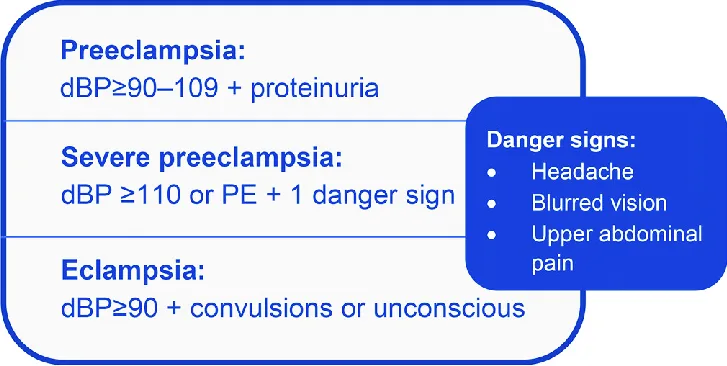
Preeclampsia is characterized by a triad of hypertension, proteinuria, and edema, along with symptoms such as headache, hazy vision, and stomach pain.
Eclampsia is characterized by the presence of seizures, impaired mental state, hyperreflexia, and perhaps disseminated intravascular coagulation (DIC) in addition to the triad of symptoms seen in preeclampsia.
Laboratory results indicate thrombocytopenia, increased liver function tests, hyperuricemia, and hemolytic anemia.
Therapy
Treatment for preeclampsia includes delivering the fetus promptly, bed rest, limiting salt intake, and managing hypertension.
Eclampsia is a medical emergency that requires treating seizures with intravenous magnesium sulfate and diazepam, followed by delivering the fetus.
HELLP syndrome is a severe form of preeclampsia characterized by hemolysis, increased liver function tests, and low platelet count.
Risk factors include of underlying hypertension, diabetes, chronic renal illness, autoimmune disorders, or twin gestation.
Occurs in 5%-10% of pregnant women, typically in the third trimester of their first pregnancy.
Evidence of infarction, retroplacental hematomas, reduced vascularity, and fibrinoid necrosis observed in the placenta.
Pathophysiology: An inherent flaw in the invading cytotrophoblast causes the restructuring of the uterine vasculature, resulting in placental ischemia. Reduced placental perfusion triggers vasoconstrictive effects that contribute to toxemic hypertension in vulnerable women.
Preeclampsia is characterized by a triad of hypertension, proteinuria, and edema, along with symptoms such as headache, hazy vision, and stomach pain.
Eclampsia is characterized by the presence of seizures, impaired mental state, hyperreflexia, and perhaps disseminated intravascular coagulation (DIC) in addition to the triad of symptoms seen in preeclampsia.
Laboratory results indicate thrombocytopenia, increased liver function tests, hyperuricemia, and hemolytic anemia.
Therapy
Treatment for preeclampsia includes delivering the fetus promptly, bed rest, limiting salt intake, and managing hypertension.
Eclampsia is a medical emergency that requires treating seizures with intravenous magnesium sulfate and diazepam, followed by delivering the fetus.
HELLP syndrome is a severe form of preeclampsia characterized by hemolysis, increased liver function tests, and low platelet count.
0 Comments
