- Published on
Pathology - Viral Hepatitis
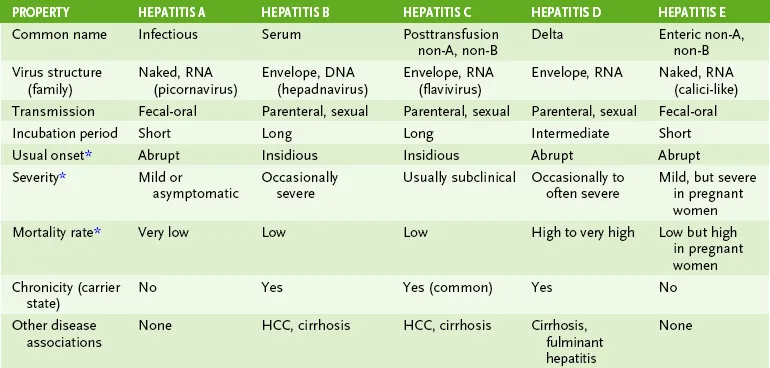
Hepatitis A virus (HAV) and Hepatitis E virus (HEV) are transmitted by the fecal-oral route. Hepatitis B virus (HBV), hepatitis C virus (HCV), and hepatitis D virus (HDV) are transmitted by blood.
Pathology
Acute hepatitis (all types): Gross: liver is enlarged and crimson, appearing green if cholestatic. Microscopic findings include hepatocyte enlargement, ground-glass appearance in hepatocytes (HBV), cholestasis, macrophage aggregation, bridging necrosis, portal tract inflammation, and hyperplasia of Kupffer cells.
Chronic hepatitis caused by hepatitis B virus (HBV), hepatitis C virus (HCV), or hepatitis D virus (HDV): Pathological findings: cirrhotic liver with fibrous septa and irregular lesions. Minuscule. Bridging fibrosis in the portal and periportal areas is associated with lymphoid aggregates.
Symptoms include abdominal pain, black urine, enlarged liver, yellowing of the skin, and exhaustion.
HBV and HCV are closely linked to chronic active hepatitis, cirrhosis, and hepatocellular cancer.
Laboratory results: Increased ALT and AST levels
Serologic indicators: HAV: IgM antibodies to HAV indicates current HAV infection.
An IgG antibody to HAV signifies a past HAV infection and provides immunity. HBV: The presence of HBsAg indicates infection, which can persist in a carrier form. Antibodies against hepatitis B surface antigen confer immunity against hepatitis B virus. Detecting IgM antibodies to HBcAg is crucial for diagnosing acute illness in the window period.An antibody against HBeAg suggests minimal transmissibility. HCV Antibody signifies past infection, but HCV RNA levels suggest current infection.
Therapy includes vaccinations for Hepatitis A Virus (HAV) and Hepatitis B Virus (HBV). Hepatitis B virus is managed with antiviral medication, such as entecavir. Hepatitis C virus is treated with PEG-interferon and ribavirin. Screening for hepatocellular carcinoma is recommended for people with chronic hepatitis B or C virus.
HCV is a prevalent cause of hepatitis among intravenous drug users.
HEV leads to higher death rates in pregnant women.
Hepatitis A virus (HAV) and Hepatitis E virus (HEV) are transmitted by the fecal-oral route. Hepatitis B virus (HBV), hepatitis C virus (HCV), and hepatitis D virus (HDV) are transmitted by blood.
Pathology
Acute hepatitis (all types): Gross: liver is enlarged and crimson, appearing green if cholestatic. Microscopic findings include hepatocyte enlargement, ground-glass appearance in hepatocytes (HBV), cholestasis, macrophage aggregation, bridging necrosis, portal tract inflammation, and hyperplasia of Kupffer cells.
Chronic hepatitis caused by hepatitis B virus (HBV), hepatitis C virus (HCV), or hepatitis D virus (HDV): Pathological findings: cirrhotic liver with fibrous septa and irregular lesions. Minuscule. Bridging fibrosis in the portal and periportal areas is associated with lymphoid aggregates.
Symptoms include abdominal pain, black urine, enlarged liver, yellowing of the skin, and exhaustion.
HBV and HCV are closely linked to chronic active hepatitis, cirrhosis, and hepatocellular cancer.
Laboratory results: Increased ALT and AST levels
Serologic indicators: HAV: IgM antibodies to HAV indicates current HAV infection.
An IgG antibody to HAV signifies a past HAV infection and provides immunity. HBV: The presence of HBsAg indicates infection, which can persist in a carrier form. Antibodies against hepatitis B surface antigen confer immunity against hepatitis B virus. Detecting IgM antibodies to HBcAg is crucial for diagnosing acute illness in the window period.An antibody against HBeAg suggests minimal transmissibility. HCV Antibody signifies past infection, but HCV RNA levels suggest current infection.
Therapy includes vaccinations for Hepatitis A Virus (HAV) and Hepatitis B Virus (HBV). Hepatitis B virus is managed with antiviral medication, such as entecavir. Hepatitis C virus is treated with PEG-interferon and ribavirin. Screening for hepatocellular carcinoma is recommended for people with chronic hepatitis B or C virus.
HCV is a prevalent cause of hepatitis among intravenous drug users.
HEV leads to higher death rates in pregnant women.
0 Comments
