- Published on
Pathology-Seizures
Seizures can be caused by toxins (such as drugs or alcohol withdrawal), intracranial issues (including stroke, bleeding, tumors, infections, or degenerative disorders), metabolic imbalances (such as low sodium or low blood sugar), or epilepsy (a condition characterized by recurring seizures).
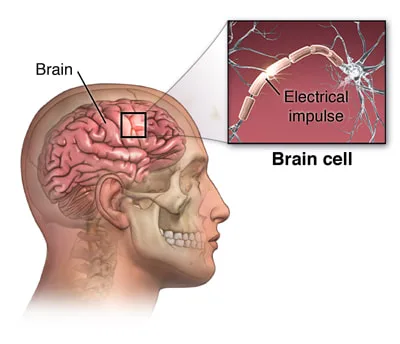
Neurologic symptoms occur due to abnormal discharge of central nervous system neurons.
The seizure is typically preceded by an aura, which might involve unusual smells or visual disturbances, and is then followed by the seizure itself. There is generally a postictal interval after the seizure, characterized by minutes to hours of bewilderment and tiredness.
Seizures can be categorized as either partial, affecting a specific area of the brain, or generalized. Simple partial seizures do not result in a loss of consciousness and can affect motor, sensory, or autonomic functions of the brain. (2) Complex partial seizures are similar to simple partial seizures, but they involve compromised consciousness. (3) Tonic-clonic (grand mal): muscular contractions alternating with relaxation;
(4) Absence: temporary loss of awareness without losing muscle control; (5) Myoclonic: abrupt, short muscle contractions.
Therapy
Anticonvulsant medications; address root issues.
Status epilepticus is defined as a prolonged tonic-clonic seizure lasting more than 30 minutes.
Possible complications involve anoxic brain damage and lactic acidosis.
Seizures can be caused by toxins (such as drugs or alcohol withdrawal), intracranial issues (including stroke, bleeding, tumors, infections, or degenerative disorders), metabolic imbalances (such as low sodium or low blood sugar), or epilepsy (a condition characterized by recurring seizures).
Neurologic symptoms occur due to abnormal discharge of central nervous system neurons.
The seizure is typically preceded by an aura, which might involve unusual smells or visual disturbances, and is then followed by the seizure itself. There is generally a postictal interval after the seizure, characterized by minutes to hours of bewilderment and tiredness.
Seizures can be categorized as either partial, affecting a specific area of the brain, or generalized. Simple partial seizures do not result in a loss of consciousness and can affect motor, sensory, or autonomic functions of the brain. (2) Complex partial seizures are similar to simple partial seizures, but they involve compromised consciousness. (3) Tonic-clonic (grand mal): muscular contractions alternating with relaxation;
(4) Absence: temporary loss of awareness without losing muscle control; (5) Myoclonic: abrupt, short muscle contractions.
Therapy
Anticonvulsant medications; address root issues.
Status epilepticus is defined as a prolonged tonic-clonic seizure lasting more than 30 minutes.
Possible complications involve anoxic brain damage and lactic acidosis.
0 Comments
